PROCEDURAL JELLYFISH
HOUDINI · VELLUM · PROCEDURAL ANIMATION
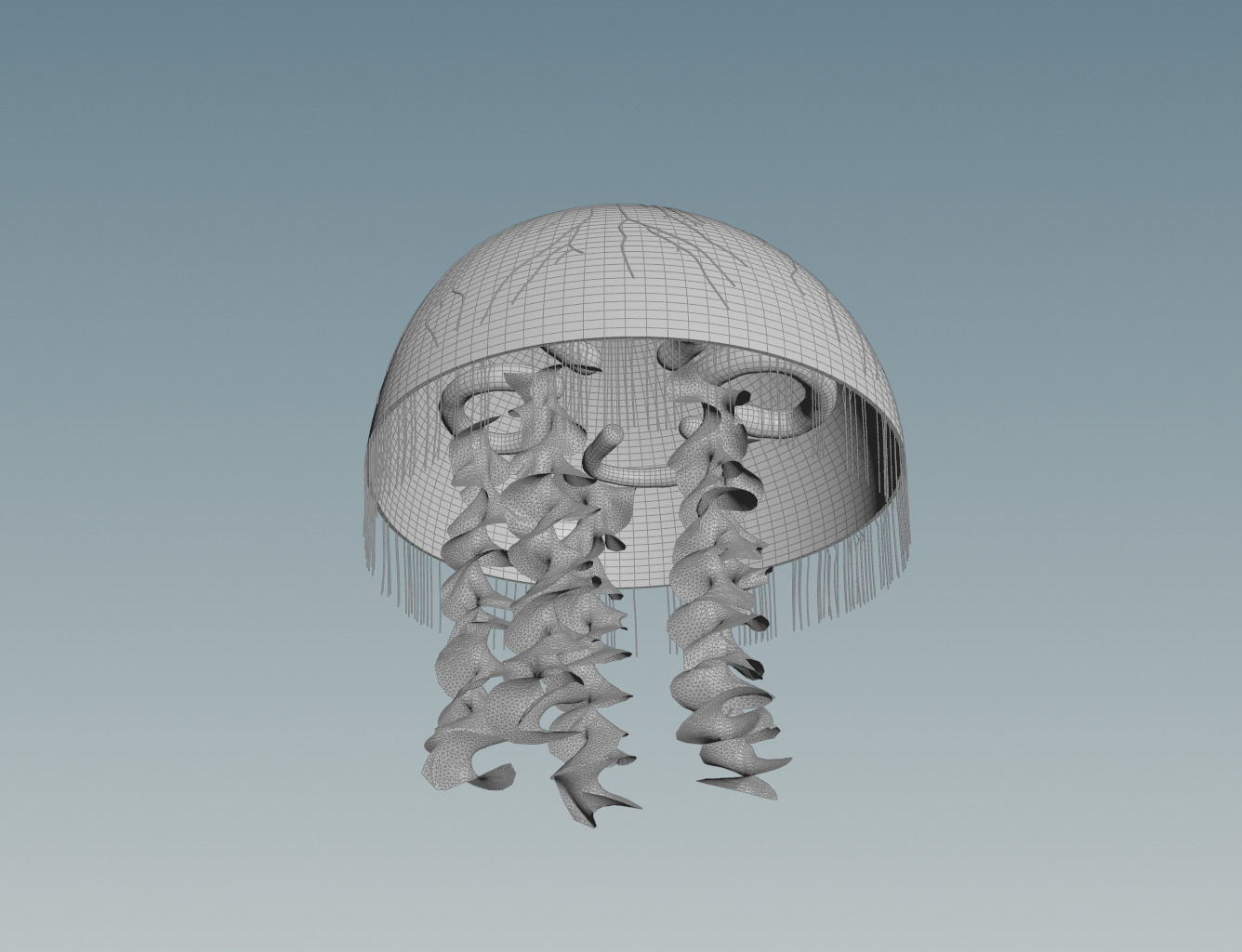
A fully procedural jellyfish assembled from a deforming bell, cloth-simulated arms, generated veins and organs, and Vellum-hair tentacles. Each system follows the animated body to create a cohesive underwater motion study.
Procedural
Design
Two rule-driven systems: an anatomical jellyfish assembled from curves and volumes, and a modular Japanese house generated from architectural constraints.
Anatomy from
curves.
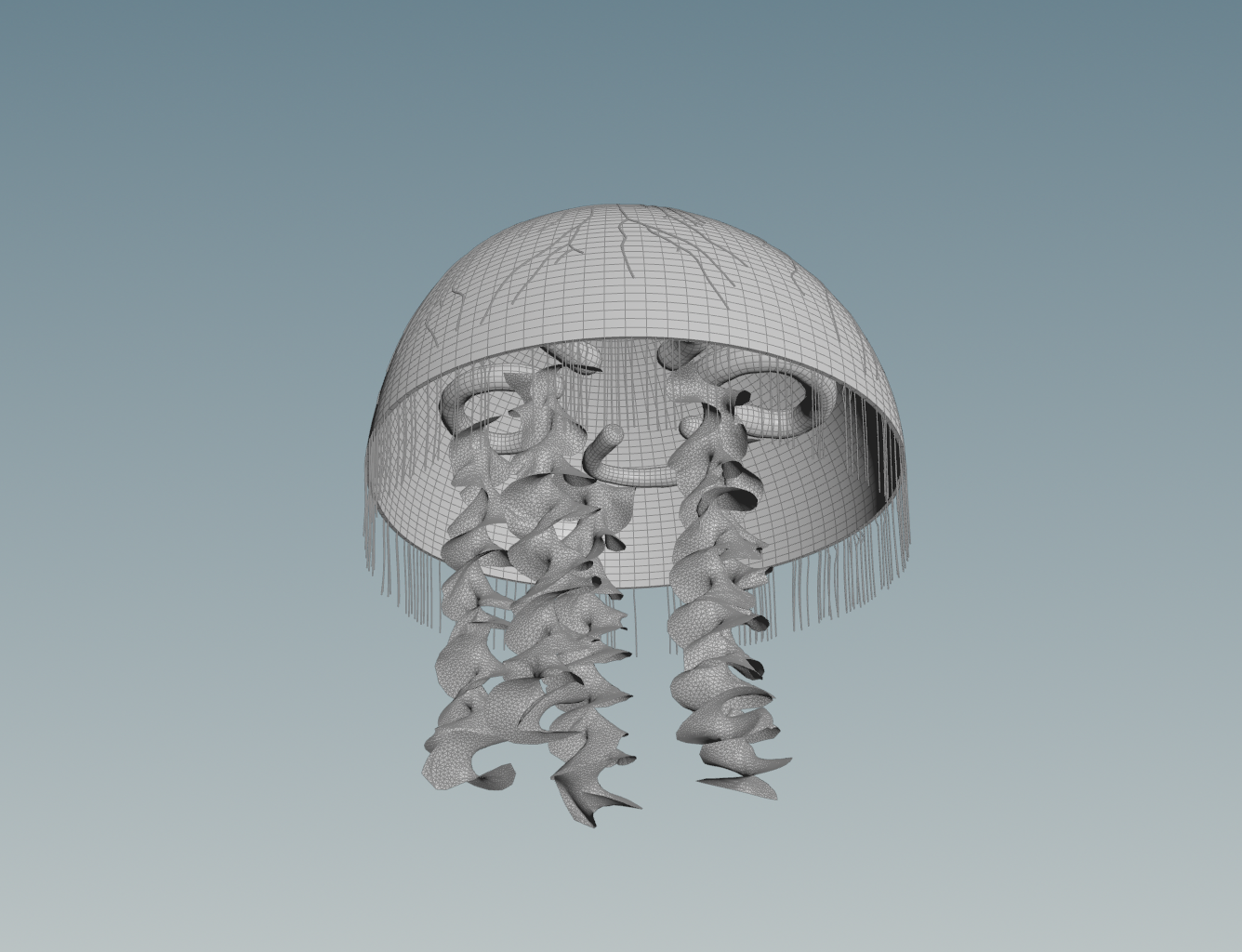
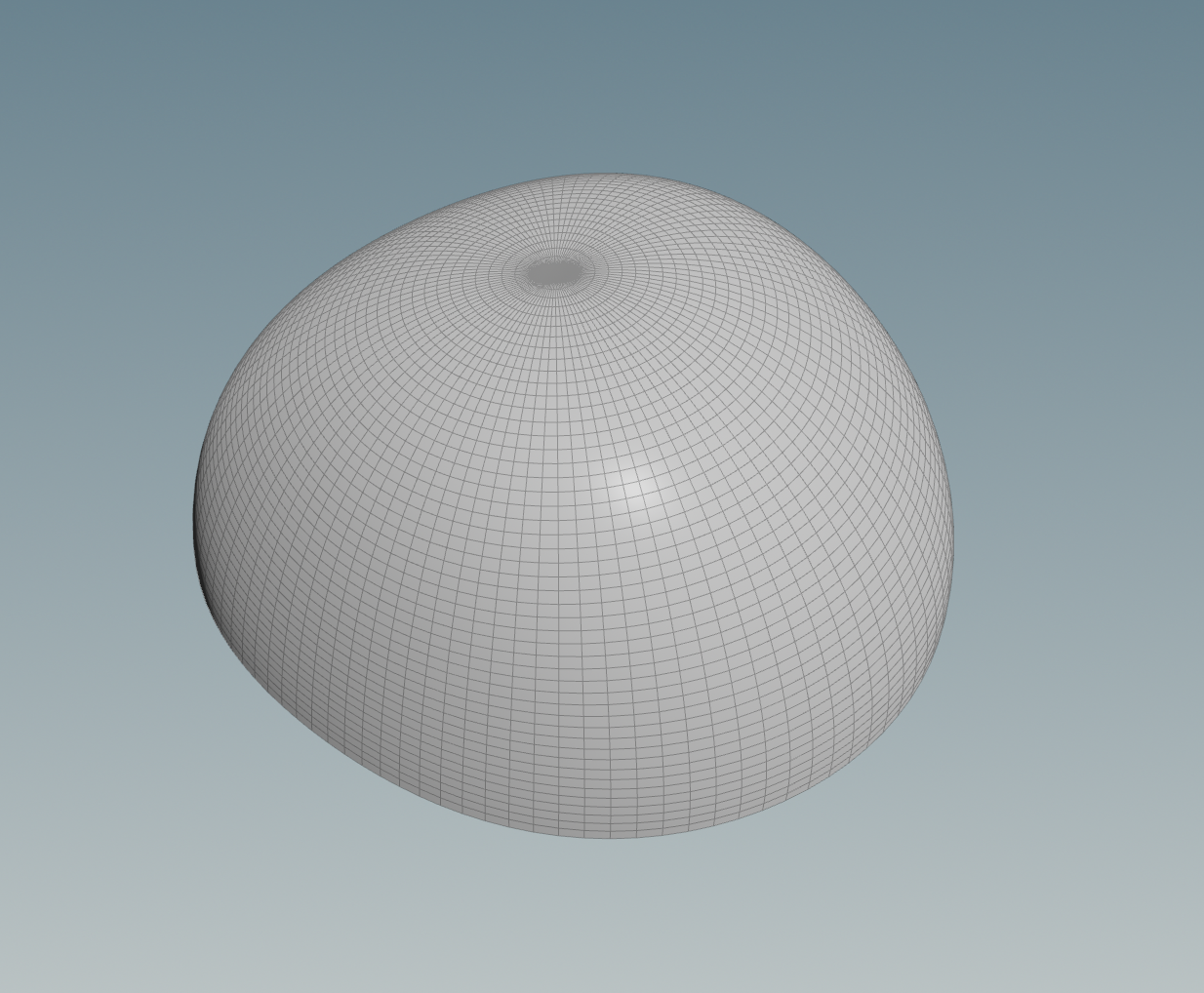
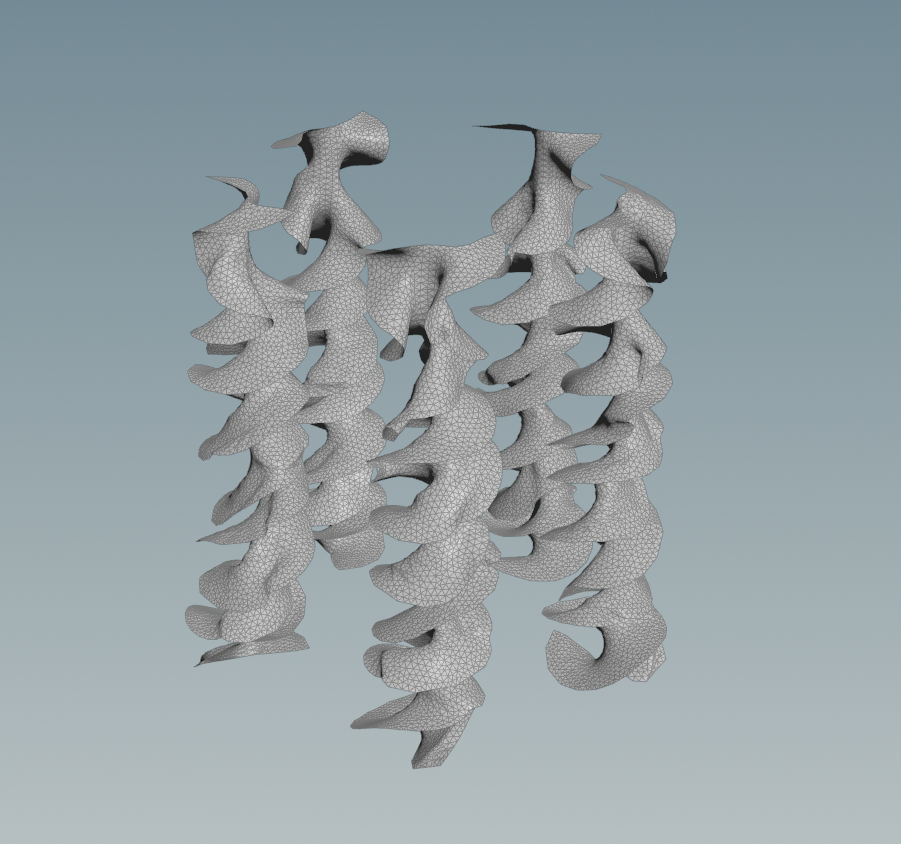
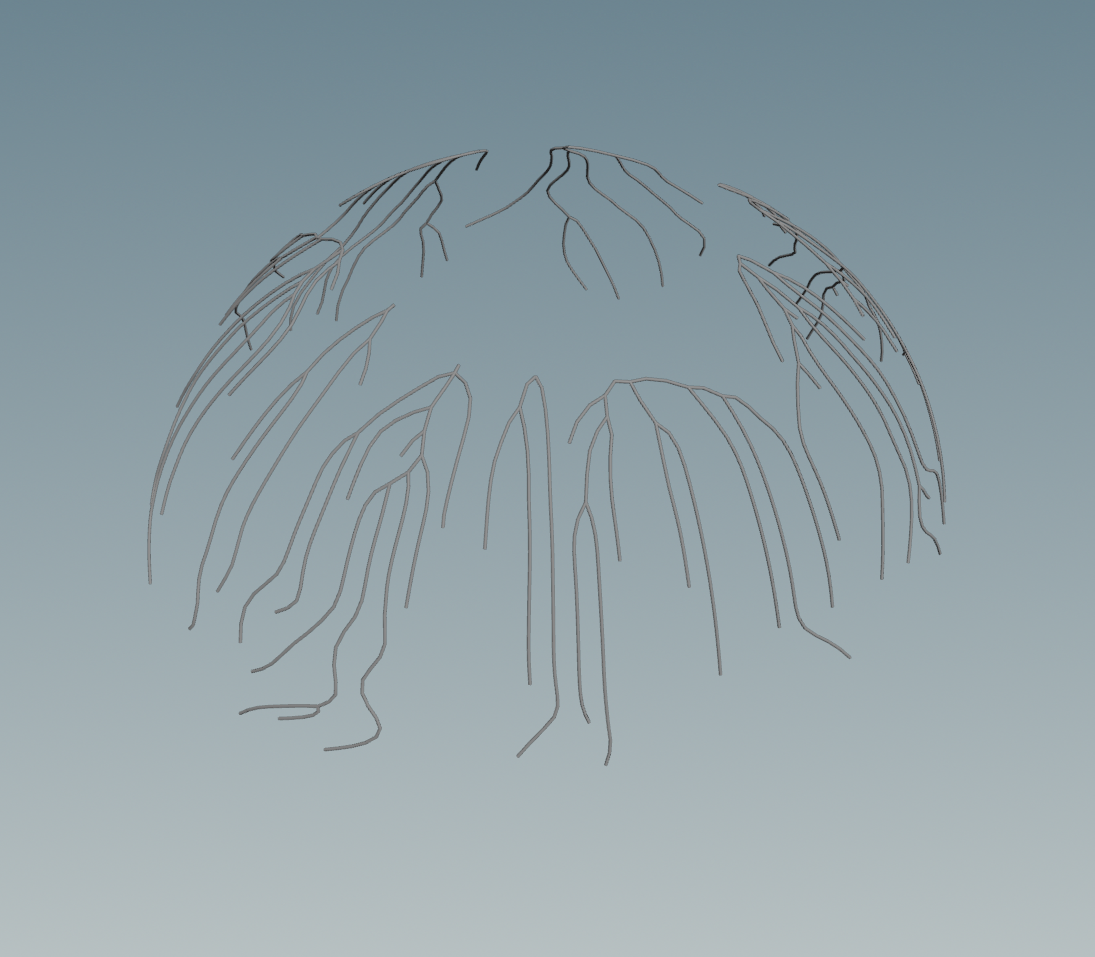
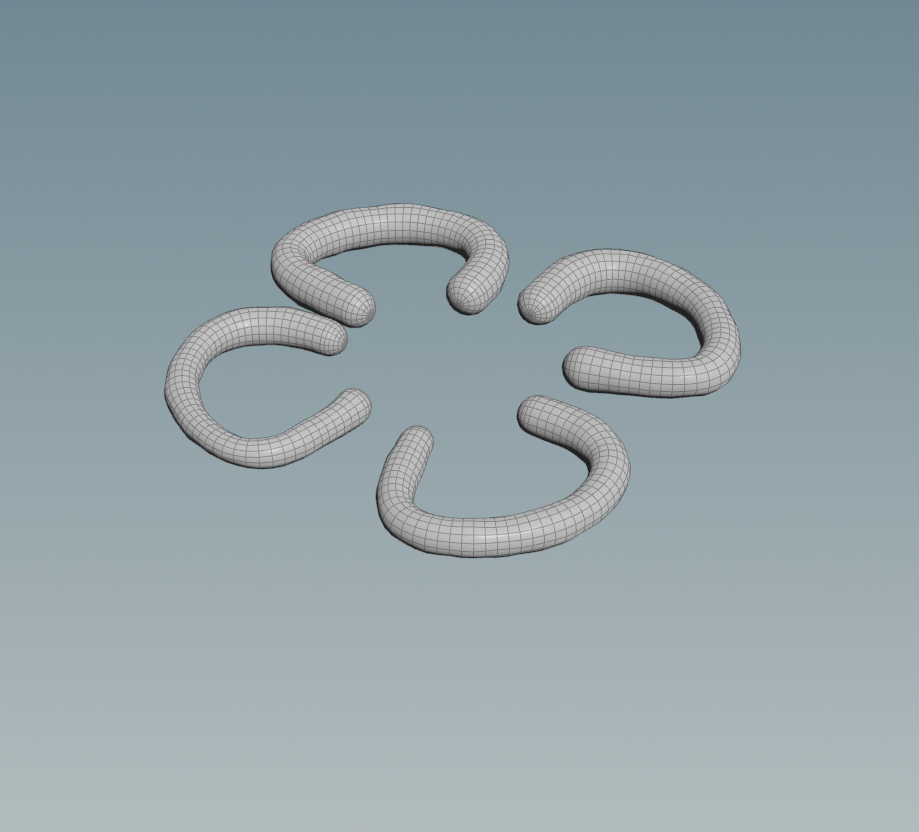
The jellyfish is built as a family of dependent generators. A bell establishes proportion and symmetry; veins, oral arms and organs inherit that structure while keeping independent artistic controls.
Rules become
a building.
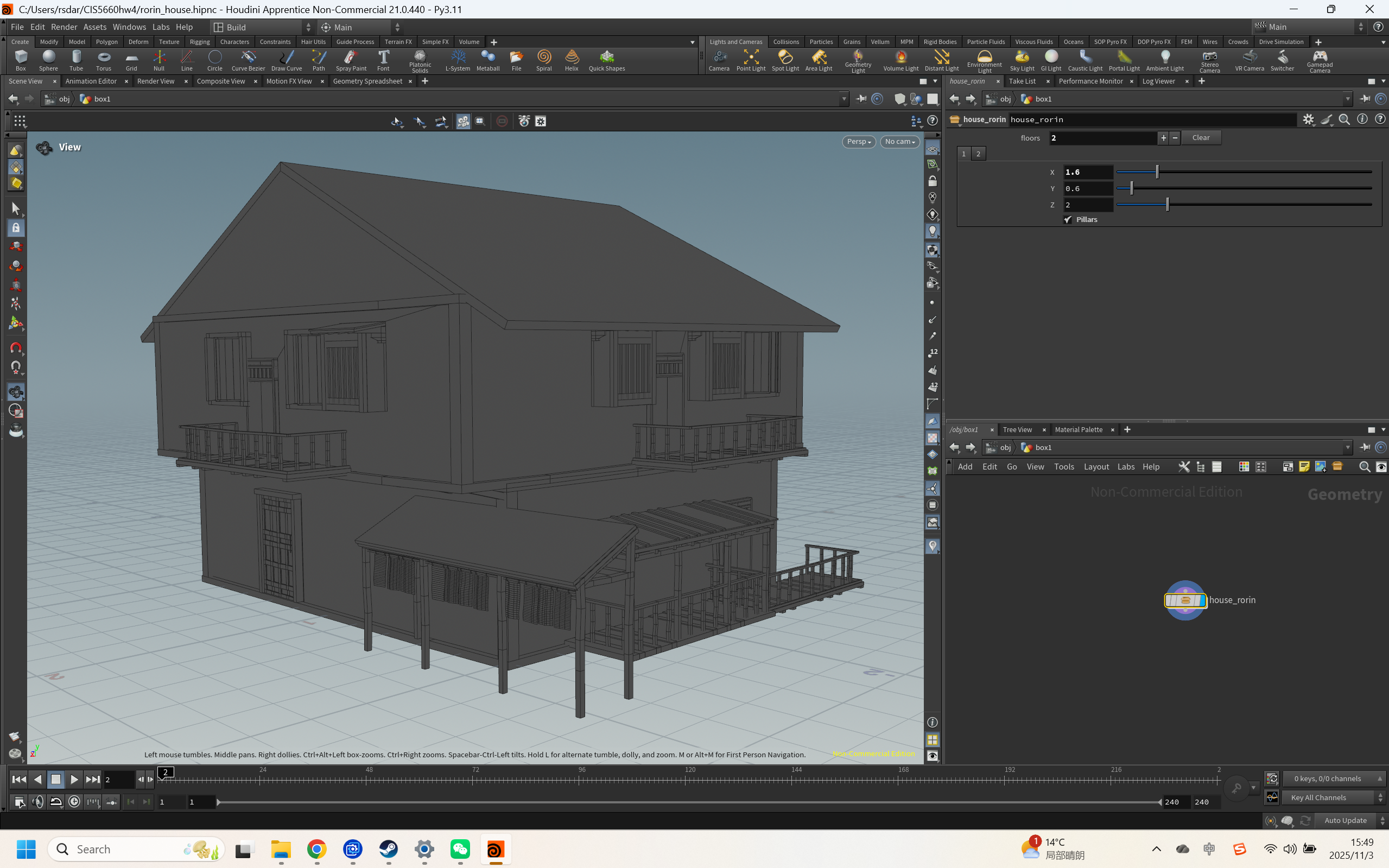
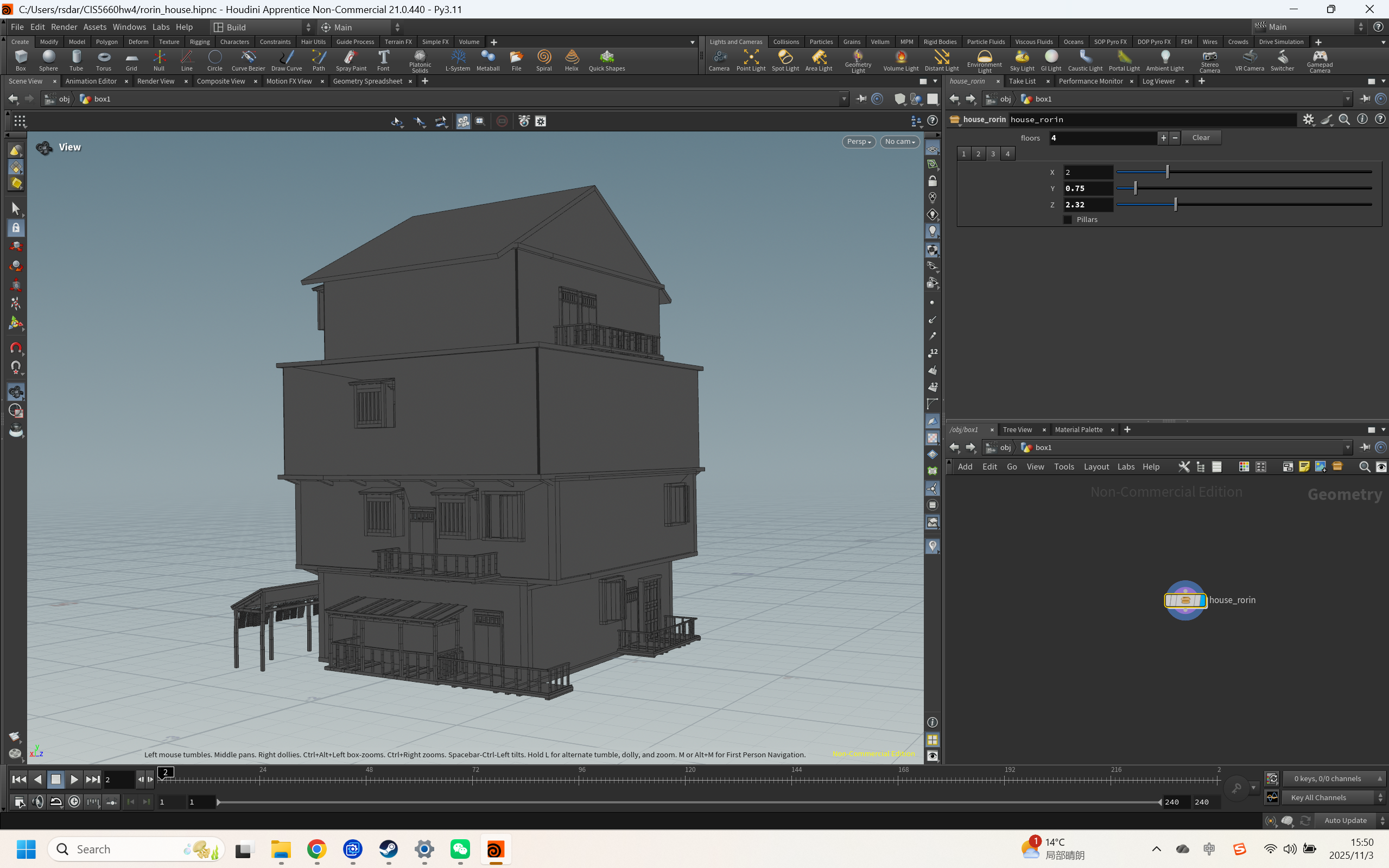
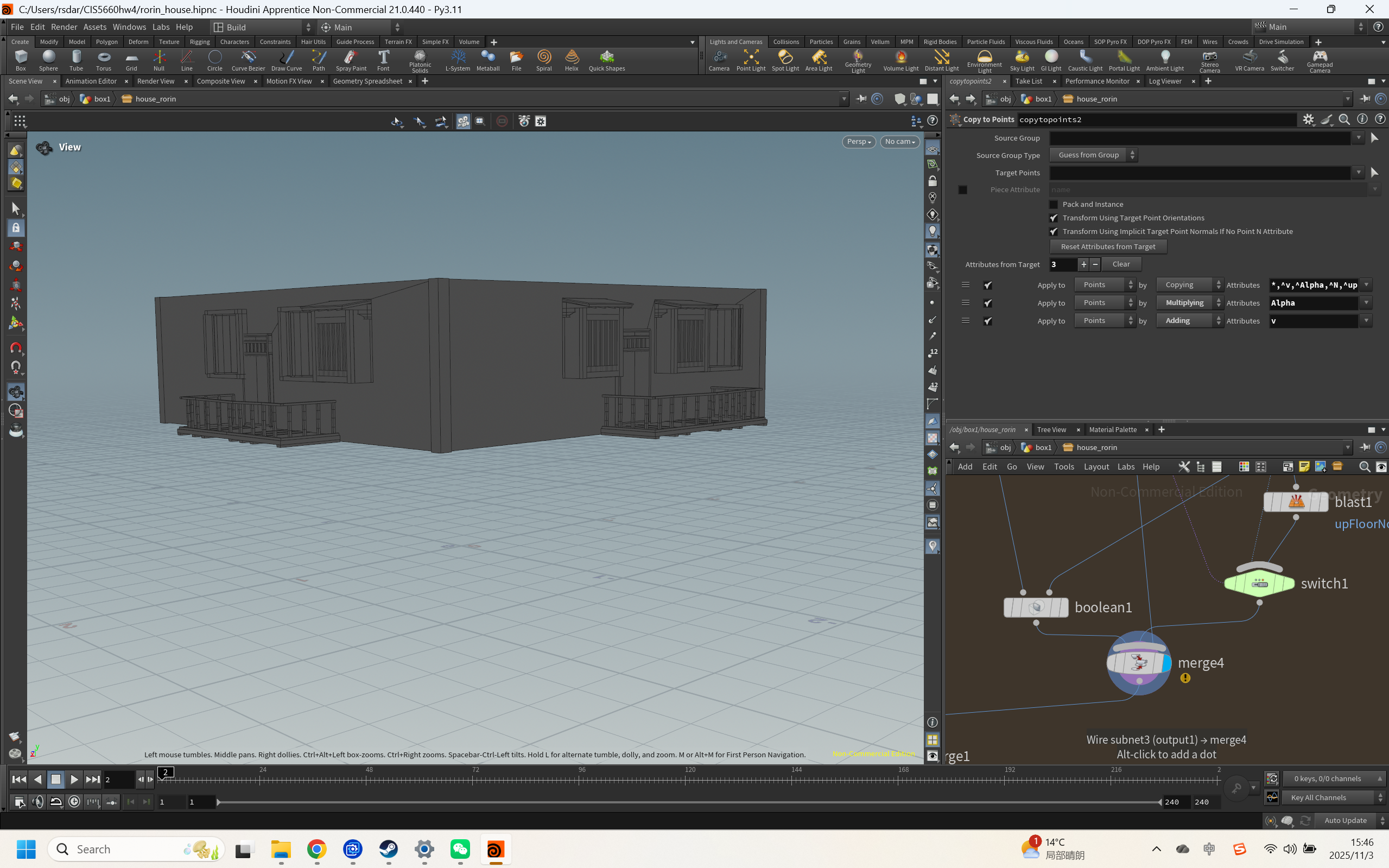
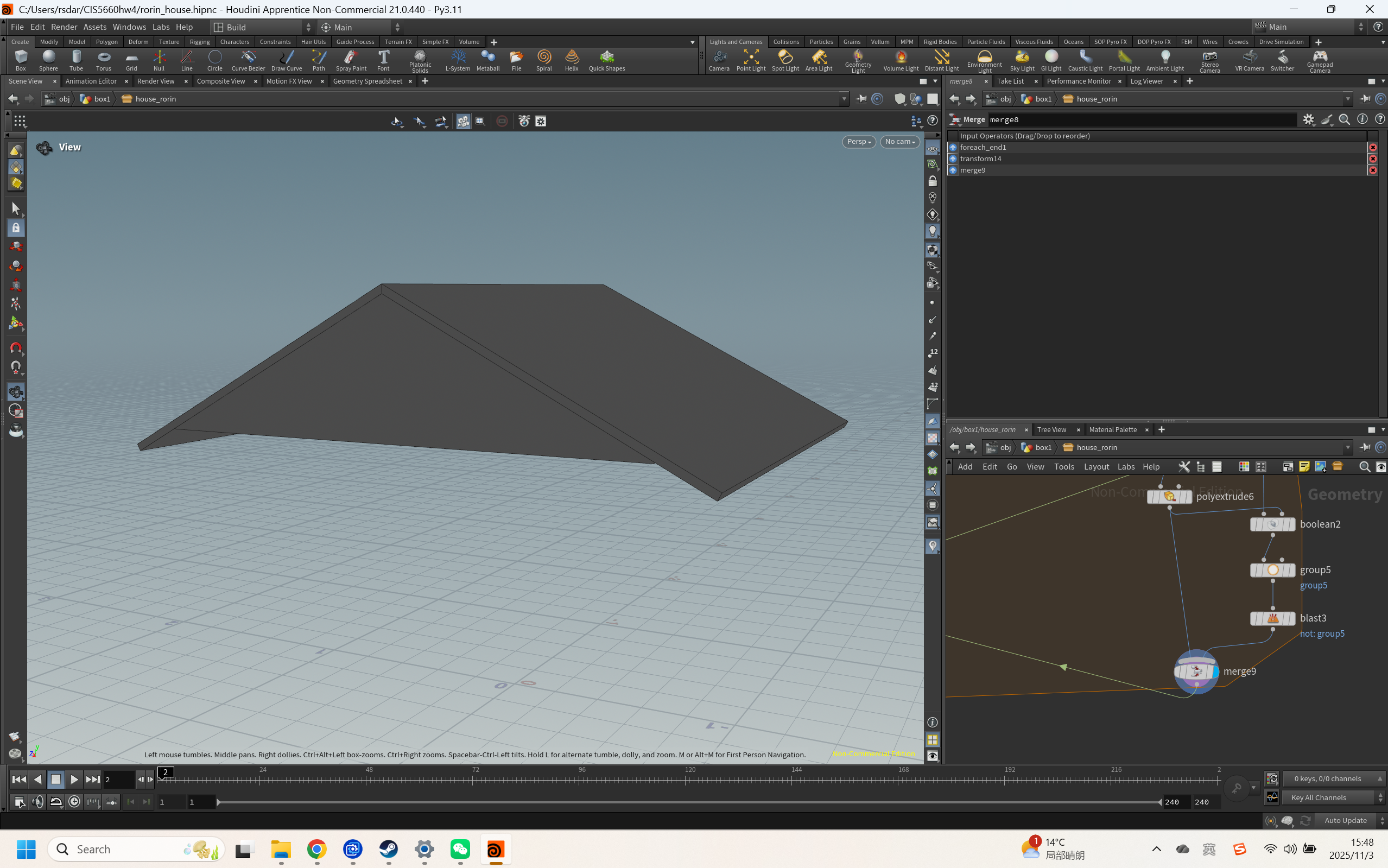
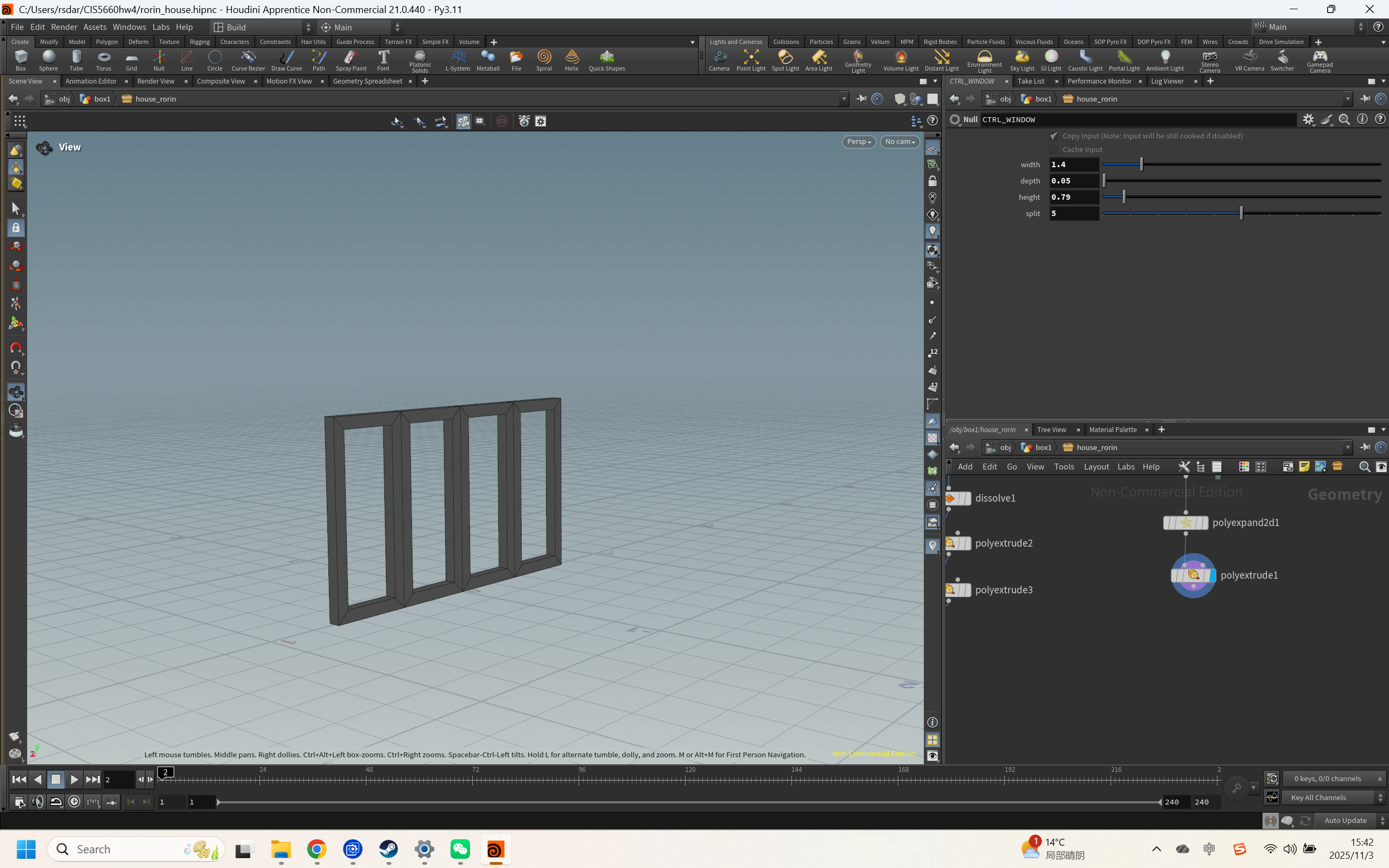
A floor plan drives walls, posts, beams, roof tiers and repeating façade modules. Windows, doors and balconies are interchangeable parts, so the structure can change without losing its visual language.
Scaffold
Starts from curves and bounding volumes that communicate the main form.
Derive
Builds secondary components from shared proportions.
Control
Exposes repetition, taper, curl and spacing.
Vary
Adds irregularity without breaking construction logic.